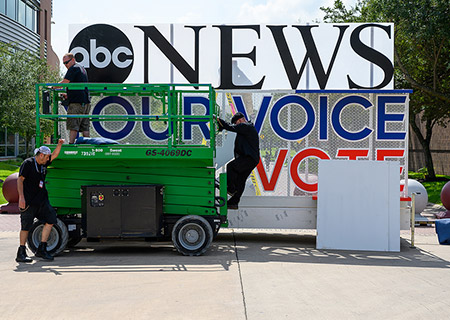
 What is Maintenance & Repair?
Nothing lasts forever, not even the top-quality signage manufactured by Horizon Sign Company. All signs need to be maintained and sometimes repaired to remain effective.
Uses for Maintenance & Repair
Some signs are so cheap or so damaged that it makes more sense to simply replace them. However, whenever practical, signs should be repaired instead of replaced. To avoid having to do either, regular maintenance of some signs is a good idea. Proper sign maintenance and repair will ensure you get the best return possible on your initial investment in the sign.
Types of Maintenance & Repair
Every different sign requires different types of maintenance and repair. Maintenance can be as simple as polishing a sign or applying a fresh coat of paint. Repairs are usually more complicated. For example, some of the most common repairs involve electronic signs, simply because their wiring makes them more intricate products and therefore more can go wrong. But repair isn’t always a matter of fixing a complex wiring issue; sometimes it’s as straightforward as replacing a burnt-out light fixture.
Why Choose us for Maintenance & Repair?
At Horizon Sign Company, we want you to get the most out of our signage. We take pride in knowing that the signs we make for clients can last for decades. We offer sign maintenance and repair services to clients in Brentwood, Clayton, Webster Groves, Maplewood, Kirkwood, Richmond Heights, Rock Hill, and anywhere else in the St. Louis area of Missouri.
Frequently Asked Questions
They repair lighting issues, structural damage, faded graphics, and electrical components to restore your signage.
It is recommended to maintain signage every 6 to 12 months to ensure performance and durability.
Yes, they handle repairs for LED signs, including lighting and electrical issues.
Yes, they provide maintenance and repair services regardless of who installed the sign.
Regular maintenance keeps your signage visible, safe, and effective over time.